
Threshold Limit Exceeded, Banking Alert! — Ignore न करें, जानें क्या करना जरूरी है

आजकल बहुत लोगों को बैंक से एक मैसेज आता है:
“Your transaction exceeds the threshold limit” या “Exceeds the Threshold Limit Alert” or kabhi kabhi to UPI and other transaction band kar deta hai.
यह मैसेज अचानक आने पर डर लग सकता है, लेकिन घबराने की ज़रूरत नहीं है। यह एक सुरक्षा और KYC से जुड़ा बैंकिंग अलर्ट है, जिससे बैंक आपको बड़े लेनदेन (High Value Transactions) पर सूचित करता है।
इस ब्लॉग में हम जानेंगे—
- Threshold limit का मतलब क्या है?
- मैसेज क्यों आता है?
- इसे कैसे solve करें?
- कौन से दस्तावेज़ चाहिए?
- Ignore करने पर क्या असर होगा?
- किस बैंक में ऐसे मैसेज सबसे ज्यादा आते हैं?
- Important tips ताकि future में दिक्कत न हो।
What is Threshold limit in Bank
Threshold Limit क्या होती है?
Threshold Limit वह सीमा होती है जिसे बैंक या RBI किसी खाते के लेनदेन के लिए तय करते हैं। Govt ke rules ke mutabik Turnover निर्धारित सीमा me kiya gaya hai – Individual, company, partners, Professional, etc – ek apna limitation hota hai, जब आपका cash deposit, withdrawal, UPI/NEFT transfer या कुल monthly–yearly transaction इस निर्धारित सीमा से अधिक हो जाता है, तो सिस्टम उसे high-value या unusual activity मानकर रिकॉर्ड करता है। इसी कारण बैंक आपको alert या verification message भेजता है। यह limit सुरक्षा और monitoring के लिए होती है।
What is Threshold limit in Bank
Threshold Limit का मतलब है:
एक तय सीमा से ज़्यादा transaction होने पर बैंक आपको alert भेजेगा।
यह limit बैंक और RBI दोनों तय करते हैं, जैसे:
- एक दिन में ₹50,000+ cash deposit
- एक दिन में ₹10,000+ ATM withdrawal
- एक महीने में ₹2 लाख से ज्यादा transaction
- एक बार में ₹2 लाख से ज्यादा UPI/IMPS/NEFT
- EMI/Loan payment ज़्यादा होना
- Account में unusual deposit
जब transaction इन limits को cross करता है, तो system auto-detect करके alert SMS भेज देता है।
Threshold Limit Exceeded Banking Alert
“Exceeds the Threshold Limit” मैसेज क्यों आता है?
Exceeds the Threshold Limit” मैसेज तब आता है जब आपके बैंक खाते में कोई लेनदेन बैंक या RBI द्वारा तय की गई सीमा (Threshold Limit) से ज़्यादा हो जाता है। यह सीमा cash deposit, withdrawal, UPI/NEFT transfer, या monthly transaction value पर आधारित होती है। जब आपका लेनदेन इन limits को cross करता है, तो बैंक सुरक्षा के तहत alert भेजता है ताकि किसी भी suspicious activity या unusual transaction पर आपकी जानकारी रहे। कई बार income mismatch, पुराना KYC या high-value inward fund आने पर भी यह alert आता है। यह एक normal warning है, panic करने की ज़रूरत नहीं होती।
नीचे मुख्य कारण दिए गए हैं:
- High-Value Transaction
अगर आपने या किसी ने आपको बड़ी रकम भेजी/डाली है तो बैंक alert भेजता है।
- Cash Deposit या Cash Withdrawal Limit Cross
- बैंक में cash deposit limit रोज़ाना, साप्ताहिक, मासिक अलग-अलग होती है।
- Suspicious Transaction Alert
अगर transaction पैटर्न बदल जाए — जैसे अचानक बड़ी रकम जमा — तो सिस्टम चेतावनी देता है।
- KYC/Income Proof Old या Outdated होना
यदि आपके खाते की declared income कम है, लेकिन transactions ज्यादा हैं।
- GST, Business Account, Current Account में Limit Cross
Business accounts में transaction limit fixed होती है।
- Regulatory Requirement (Income Tax / FIU)
₹10 लाख+ yearly transactions होने पर बैंक monitoring बढ़ा देता है।
इस मैसेज का मतलब यह नहीं कि आपका खाता बंद हो जाएगा!
यह सिर्फ एक notification है कि आपने limit cross की है।
- 90% cases में कुछ भी problem नहीं होती।
- बस “KYC Update” के लिए बैंक बोल सकता है।
Exceeds the Threshold Limit solve कैसे करें?
Download Application Form – “Threshold Limit“
Step 1: अपने बैंक की Branch में जाएँ
Counter पर बोले:
“मुझे threshold limit exceed alert आया है, मुझे KYC/Income update करना है।”
Step 2: जिस officer से KYC या update होता है उनसे मिलें
Bank अक्सर पूछेगा:
- आपका business या income source क्या है?
- बड़े transactions क्यों हो रहे हैं?
Step 3: Form भरना होगा
Bank आपके Account Type के हिसाब से:
- Income Declaration Form
- KYC Update Form
- Occupation Update Form
भरवाता है।
Step 4: Limit Increase करवा सकते हैं
कई बैंक में आप लिखकर limit बढ़ाने का request कर सकते हैं।
Threshold Limit Exceeded Banking Alert
कौन–कौन से documents लग सकते हैं?
आपके account type के हिसाब से documents बदलते हैं, पर आम तौर पर:
- आधार कार्ड
- PAN कार्ड (PAN mandatory है)
- Address Proof (Voter ID / Driving License / Electricity Bill)
- Income Proof:
- ITR (Income Tax Return)
- Salary Slip
- Bank Statement (6 months)
- Business Proof (अगर business है)
- GST Certificate (Business Account)
- Shop License / Trade License (अगर business है)
अगर transaction बहुत बड़े हैं तो बैंक source पूछ सकता है:
- Land selling document
- Loan sanction paper
- Mutual fund / FD breaking slip
- Online earning proof etc.
Bank Credit Limitation क्या होती है?
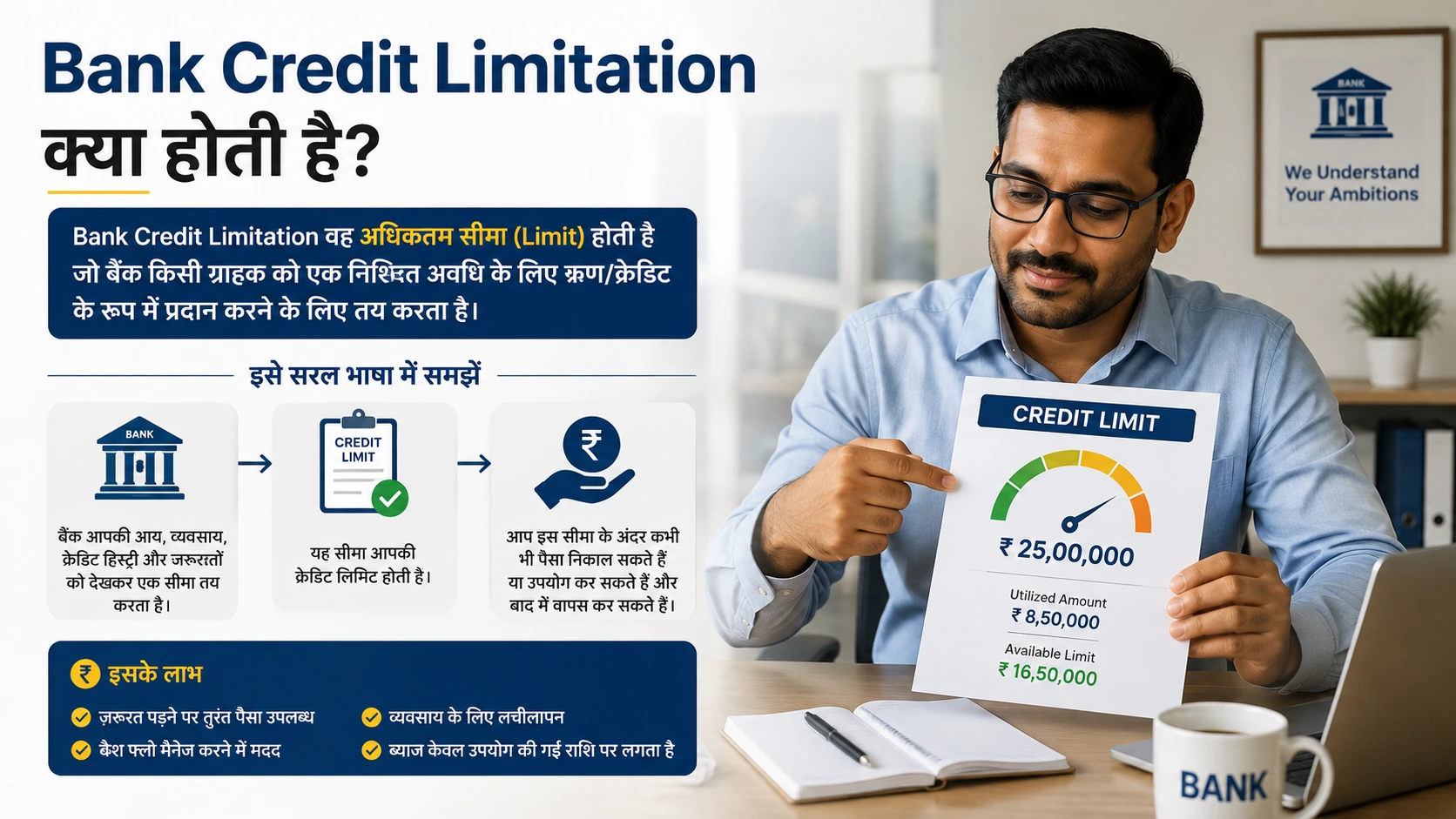 Bank Credit Limitation वह सीमा होती है जिसे बैंक आपके खाते में आने वाली कुल रकम (credit transactions) के लिए तय करता है। यह सीमा आपकी KYC, declared income, account type और transaction history के आधार पर निर्धारित होती है। जब किसी महीने या साल में आपके खाते में आने वाला पैसा इस limit से ज़्यादा हो जाता है, तो बैंक उसे unusual या high-value activity मानकर alert भेज सकता है। इसका उद्देश्य मनी ट्रेल clear रखना और suspicious transactions की monitoring करना होता है।
Threshold limit तीन basis पर होती है:
Bank Limit
- Daily Limit
जैसे:
- ₹50,000 cash deposit से ऊपर alert
- ₹10,000 ATM withdrawal से ऊपर alert
- Monthly Limit
₹2–5 lakh से ऊपर unusual माना जाता है।
- Yearly Limit
₹10 lakh से ऊपर वाले accounts पर IT monitoring बढ़ जाती है।
Different bank के अलग-अलग rules होते हैं।
threshold limit meaning in hindi
किस बैंक में ये message ज्यादा आता है?
Customer feedback के आधार पर यह alert सबसे ज्यादा इन बैंकों में देखा गया है:
सबसे ज्यादा SMS SBI में आते हैं क्योंकि इनके सिस्टम automatic और strict हैं।
High-value customers और current accounts में alerts common हैं।
Income mismatch पर जल्दी alert भेजता है।
Yes Bank, Axis Bank भी भेजते हैं
लेकिन ज्यादातर SBI, HDFC और ICICI में alerts ज्यादा आते हैं।
अगर इस मैसेज को IGNORE करते हैं तो क्या होगा?
Ignorance से धीरे-धीरे:
- बैंक आपका खाता “KYC Pending” मार्क कर देगा
और कुछ services बंद हो सकती हैं।
- बड़ा transaction फ्रीज़ हो सकता है
UPI/NEFT temporarily stop हो सकता है।
- Income Source Clarification मांगा जाएगा
- Suspicious Transaction Report (STR) भेज सकता है
अगर repeated high-value लेनदेन हो रहे हैं।
- Account freeze होने की possibility (rare cases)
अगर बहुत warning के बाद भी KYC update न हो।
ध्यान रहे — Normal users का खाता freeze नहीं होता, बस KYC update करवाना पड़ता है।
Important Tips (Future में ये मैसेज न आए)
- Account type सही रखें — अगर business account नहीं है, current account ले लें
- अपना ITR हर साल file करें
- PAN से सभी accounts link करें
- Bank में अपना income सही declare करें
- Suspicious या cash-heavy transaction avoid करें
- Large fund receive करने से पहले bank को inform करें
threshold limit meaning in hindi
Final Words: Panic न करें — ये सिर्फ एक Alert है
“Exceeds the Threshold Limit”
एक सामान्य सुरक्षा संदेश है ताकि आपका बैंक आपको हर unusual ट्रांज़ैक्शन के बारे में जानकारी दे सके।
अगर आपको यह message आया है, तो सबसे सही step है:
अपने नज़दीकी बैंक ब्रांच जाकर KYC / Income update करवा लेना।
कोई tension की बात नहीं — 10–15 मिनट में काम हो जाता है।
Disclaimer:
इस वेबसाइट पर दी गई जानकारी केवल सामान्य उद्देश्य के लिए है। किसी भी जानकारी के आधार पर लिया गया निर्णय आपकी अपनी जिम्मेदारी होगी। बाहरी लिंक की सामग्री के लिए वेबसाइट जिम्मेदार नहीं है।
Written by Tarun Bauri (Tax Consultant )
For Enquiry, mail – support@accofi.in or comment